 Gespräch vereinbaren
Strukturen, die sich nicht anpassen
Teams verändern sich, die Strukturen bleiben gleich. Rollen und Verantwortlichkeiten verschwimmen, Zusammenarbeit wird diffuser. Dazu kommen unterschiedliche Grade der KI-Nutzung.
 Diplom-Informatiker · Gründer
Ich denke in Menschen, Daten und Strukturen. Als Gründer und Business-Unit-Leiter habe ich Organisationen auf- und ausgebaut, über 150 Entwickler koordiniert und eine P&L in Millionenhöhe verantwortet.
Heute helfe ich Führungskräften, ihre Organisation bewusst zu gestalten.
Drei Stellen, an denen diese Verwirrung im Alltag sichtbar wird:
Teams verändern sich, die Strukturen bleiben gleich. Rollen und Verantwortlichkeiten verschwimmen, Zusammenarbeit wird diffuser. Dazu kommen unterschiedliche Grade der KI-Nutzung.
Reibung und Revierdenken zwischen Teams erschweren funktionsübergreifendes Arbeiten. Was zusammenwirken sollte, läuft nebeneinanderher. Jetzt baut sich jedes Team eigene KI-Workflows, neue Silos entstehen.
Selbst wenn alle es gut meinen, bleiben Entscheidungen langsam und Verantwortung oft unklar. Niemand weiß sicher, wer was, wann verantwortet. Und wieviel davon KI übernimmt.
Wo engen euch alte Strukturen, Kontroll- und Silodenken ein?
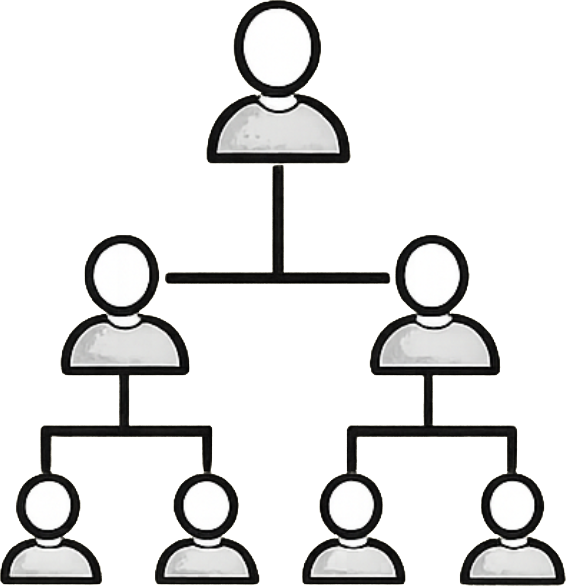
Kennt ihr die informelle Struktur, in der wirklich gearbeitet wird?
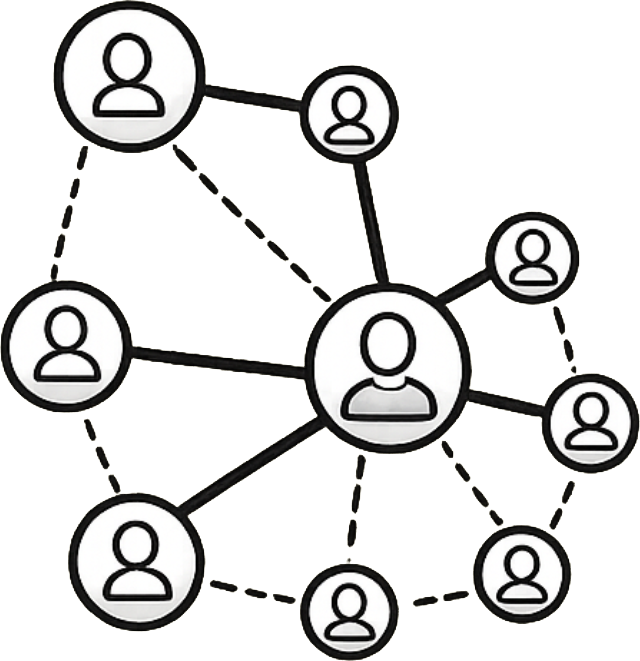
Lasst uns eine flexible, wertschöpfende Struktur gestalten und KI einbinden.
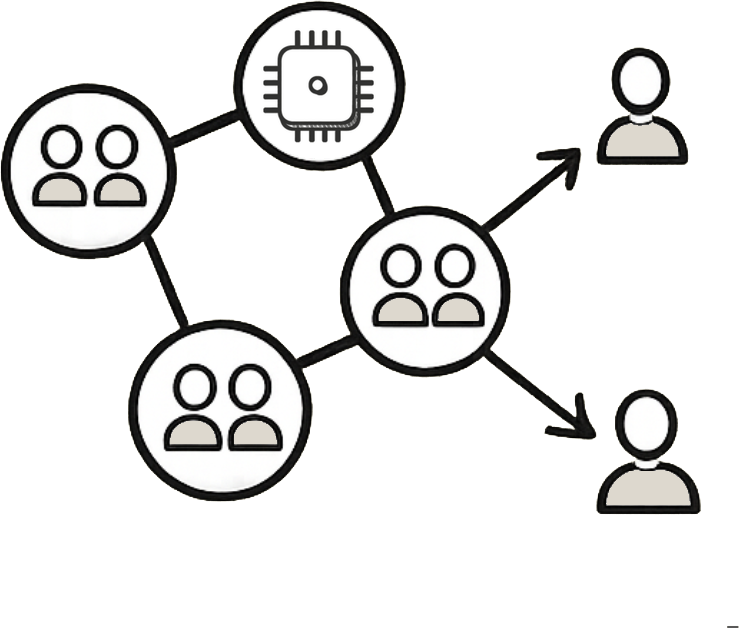
Meine Überzeugung
Der größte Hebel bei KI liegt selten in der Kostenreduktion, sondern darin, wie schnell eine Organisation handlungsfähiger wird.
Wer KI mit einer reinen Kostenreduktions-Logik einführt, aktiviert eine Abwärtsspirale: Das Tempo steigt zwar, aber auch der Druck pro Kopf, Wissen geht verloren, die Motivation fällt. Wer dagegen Führung, Strukturen und Lernen gleich mit weiterentwickelt, gewinnt Spielraum und dreht die Spirale um.
Ich verbinde Organisationsdesign, Führungspraxis und technisches Fachwissen, um Zusammenarbeit einfacher und wirkungsvoller zu machen. Das bedeutet klarere Strukturen, bessere Entscheidungen und KI dort, wo sie wirklich hilft und Wert für die Kunden schafft.

Gestalten, wie Führung wirklich funktioniert: Entscheidungen dorthin verlagern, wo das Wissen sitzt, Informationswege klären, und KI das Urteilsvermögen stärken lassen statt es zu ersetzen.

Strukturen gestalten, die Lernen, klare Verantwortung und teamübergreifende Zusammenarbeit fördern. Statt im Weg zu stehen.

Die KI-getriebene Organisation hat noch niemand final gebaut. Ich helfe euch dabei: dort anfangen, wo ihr steht. Nicht einfach Tools draufwerfen, sondern KI so integrieren, dass sie eure Organisation langfristig weiterbringt.
Früher habe ich Stammdatensysteme als Single Source of Truth aufgebaut. Heute geht es um dasselbe Prinzip auf Organisationsebene: einen Kontext-Layer, der das Wissen einer Organisation für Menschen und KI nutzbar macht. Denn KI ist nur so gut wie der Kontext, den sie bekommt. Liegt das Wissen in Silos, rät sie; liegt es sauber zugänglich, wird KI verlässlich.
Das Schwierige daran ist selten die Technik, sondern die Kultur, also ein Umfeld, in dem Menschen ihr Wissen teilen, statt es zu horten. Genau an dieser Schnittstelle aus Daten, Struktur und Kultur arbeite ich.
Mitgestalter bei:



Seit mehr als 20 Jahren führe und gestalte ich Organisationen. Ich weiß, wie schwer es ist, Veränderung nachhaltig zu verankern. Deshalb kein Big Bang, sondern klein starten, daraus lernen und das Funktionierende skalieren. Dafür gibt es passende Formate:
Einstieg für Führungsteams
Zwei Tage, an deren Ende euer Führungsteam weiß, wer was entscheidet und wo KI wirklich hilft. Mit Vorbereitung und zwei Reviews danach, damit es nicht bei guten Vorsätzen bleibt.
Für Teams und Führungskräfte, intern oder offen, etwa „Leadership in the Age of AI“. Oder als Vortrag auf Konferenzen und Firmenevents.
Laufend für Führungskräfte und Führungsteams, während Veränderung passiert.
Für eine konkrete Struktur-, Entscheidungs- oder KI-Frage, mit klarem Ergebnis.
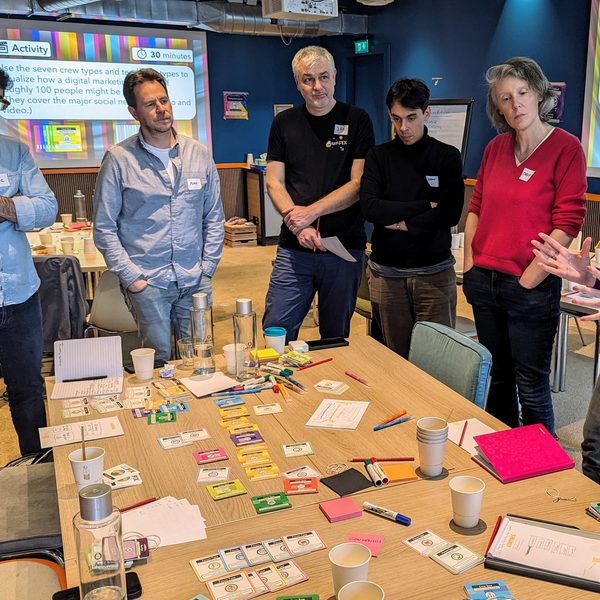 Org-Design-Workshop
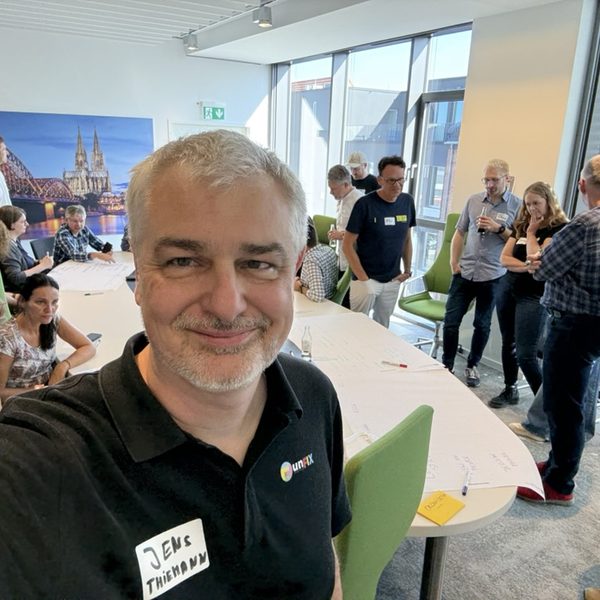 KI-Impuls
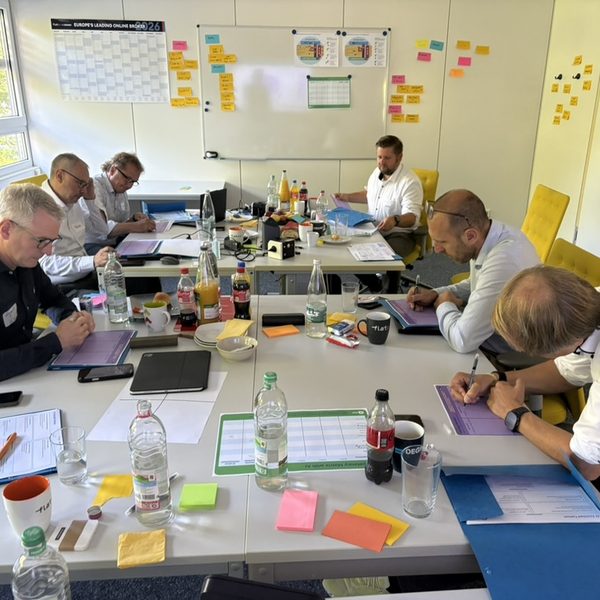 Führungsteam
Über 80 Workshops seit 2022
Unter anderem in Brüssel, Frankfurt, Hamburg, Paris, Prag, Rom, im Ruhrgebiet und online.
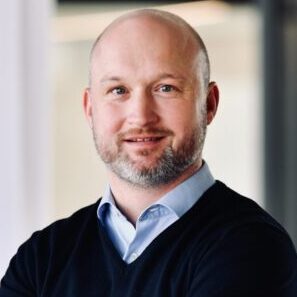
Jens führt mit Klarheit, Empathie und Fokus — über Projekte, Organisationen und Menschen hinweg.

Jens gehört zu den proaktivsten und verlässlichsten Teammitgliedern, mit denen ich je gearbeitet habe.

Offen, pragmatisch, unternehmerisch — Jens bringt Menschen zusammen und behält den praktischen Nutzen im Blick.

Deine Fragen laden nicht nur zum Mitmachen, sondern vor allem zum Nachdenken und Reflektieren ein. Bekannte Themen werden nicht einfach wiederholt, sondern stimmig aufbereitet, verbunden und in einem neuen Kontext weitergedacht.
Wollt ihr auch mit mir zusammenarbeiten?
Führung ist ernste Arbeit.
Das heißt aber nicht, dass wir uns selbst zu ernst nehmen müssen.
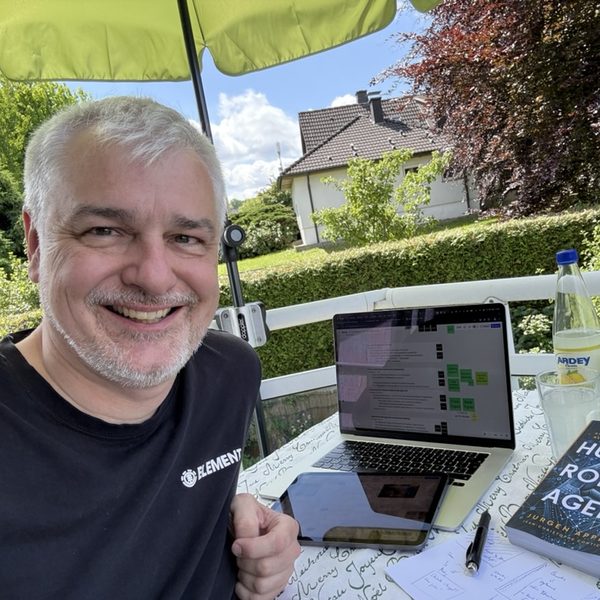
Ich programmiere seit der Schulzeit und mache das immer noch gerne.
Heute natürlich mit KI als Co-Worker.
Meine aktuellen Apps gibt es im Miro Marketplace oder auf der Brettspielseite Ottavio des Ulisses-Verlags:
Über 7.500 Nutzer
Mit offizieller Genehmigung des Verlags